
I have recently come to find the Catholic church has a supposed Biblical gift I was not aware of. The Gift of Infallibility. I tried to look up the validity of it, and all I got in my searches refers to Catholic websites. This comes as an authority from the magisterium.
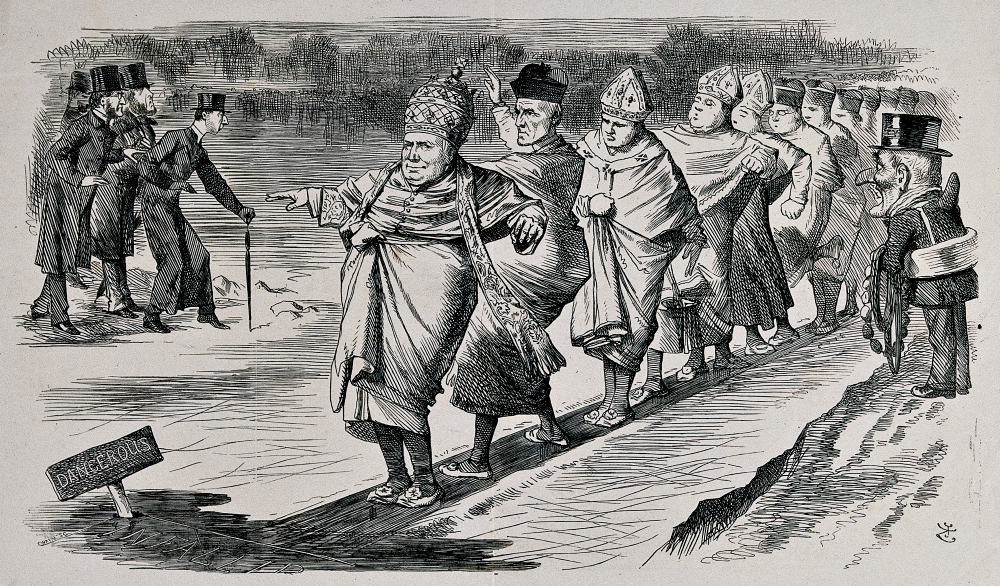
The magisterium of Roman Catholicism is the special teaching authority of the Church itself. According to Catholic doctrines, this teaching authority resides only within the Pope and Catholic bishops. This implies that only those doctrinal statements that proceed from the Roman Catholic Church (RCC) can be true. It also means that, at times, the teaching authority of the RCC is uniquely free from error, a property called “infallibility.”
The question is whether the idea of papal infallibility agrees with Scripture. The Roman Catholic Church views the papacy and the exercise of infallible teaching authority as essential to guide the church and prevent it from error. But we should examine Scripture:
1) Scripture nowhere declares that Peter was in authority over the other apostles or over the entire church (see Acts 15:1–23; Galatians 2:1–14; 1 Peter 5:1–5).
Scripture shows that Peter’s authority was shared by the other apostles (Ephesians 2:19–20) and the “loosing and binding” authority given to him was shared by the local churches, not just their leaders (see Matthew 18:15–19; 1 Corinthians 5:1–13; 2 Corinthians 13:10; Titus 2:15; 3:10–11). Thus, the foundation of papal infallibility—the existence of the papacy itself—is not scriptural.
Nowhere does Scripture state that the authority of the apostles was passed on to those they ordained (the Roman Catholic teaching of apostolic succession). Paul does not call on various churches to receive Titus, Timothy, and other church leaders based on their authority as bishops, but rather on their being fellow laborers with him (1 Corinthians 16:10, 16; 2 Corinthians 8:23). What Scripture does teach is that false teachings would arise even from among trusted church leaders. The written Word of God is our infallible guide. Not the Pope with some supposed gift of infallibility. Nowhere in Scripture is the magisterium of bishops taught and treated as of equal weight with Scripture. What history has shown is that, when any other source of authority is given equal weight with Scripture, that second authority always supersedes Scripture in the end (such is the case with the Mormons’ other accepted writings and the Jehovah’s Witnesses’ Watchtower). Catholic catechisms include many doctrines that are not found in or based on Scripture. The Immaculate Conception of Mary, for example, was declared official dogma by Pope Pius IX in 1854, although Scripture says nothing about the circumstances of Mary’s birth. For Roman Catholics, it is the church that has final authority, not Scripture. In contrast, the Bible teaches that Scripture itself is sufficient to guide and train and equip for every good work (2 Timothy 3:16–17). What’s important is not who is teaching but what is being taught (Galatians 1:8–9).
There is no need for Roman Catholicism’s teaching of apostolic succession and papal infallibility, for Scripture states that God has provided for His church through the following:
a) Infallible Scripture (Matthew 5:18; John 10:35; Acts 17:10–12; 20:32; 2 Timothy 3:15–17; 2 Peter 1:20–21; Isaiah 8:20; 40:8; etc.),
b) Christ’s unending high priesthood in heaven (Hebrews 7:22–28),
c) The Holy Spirit, who guided the apostles into truth after Christ’s death (John 16:12–15); who gifts believers for the work of the ministry, including teaching (Romans 12:3–8; Ephesians 4:11–16); and who uses the written Word as His chief tool (John 17:17; Psalm 119; Hebrews 4:12; Ephesians 6:17). In summary, the Bible speaks of only one abiding, infallible guide left by God for His church. It is the written Word of God, not an infallible leader (2 Timothy 3:15–17). And, as the Holy Spirit carried holy men along in the writing of that Word (2 Peter 1:19–21), so He indwells, fills, guides, and gifts members of the church today (1 Corinthians 12 and 14; Ephesians 4:11–16).
With the exception of the first paragraph above, all of the information to this point was obtained from the following site: https://www.gotquestions.org/papal-infallibility.html
Now, for my take on this supposed gift. Catholicism is not Christian. It is a false “religion” set up to control the masses. Such doctrines set up by the church were to keep the people in ignorance of scripture, as is seen in the above research. I must insert here that I’m not Catholic, nor Protestant. I’m a follower of Christ. Religion doesn’t play in my thinking. Relationship with Christ is the key to being a follower.
Matthew 7:21-23 – Not everyone that saith unto me, Lord, Lord, shall enter into the kingdom of heaven; but he that doeth the will of my Father which is in heaven. Many will say to me in that day, Lord, Lord, have we not prophesied in thy name? and in thy name have cast out devils? and in thy name done many wonderful works? And then will I profess unto them, I never knew you: depart from me, ye that work iniquity.
Knowing God equates to our personal relationship with Him. Personal relationships are born of personal experience. In the last chapter, Job responded to God with:
Job 42:5–6 – I have heard of You by the hearing of the ear; But now my eye sees You; Therefore, I retract, And I repent in dust and ashes.
Job didn’t know God as well before his ordeal as he did after, through his personal experience. He did not know why he was being afflicted, but in the end God revealed Himself to Job in ways Job had not known before. Their relationship grew. The verses above delineates the difference.
Since the day Martin Luther posted the 95 Thesis on the door of the church, and Gutenberg’s invention of the printing press, the veil the Catholic church put up (I equate to the veil in the Temple, which was rent when Jesus was crucified) has been rent as well, exposing the fraudulent Catholic church.
There is no such thing as the assumed gift of infallibility that the Catholic church posed over its followers.


 Livin' Small